
The Cinematography Podcast Episode 361: Richard Rutkowski, ASC
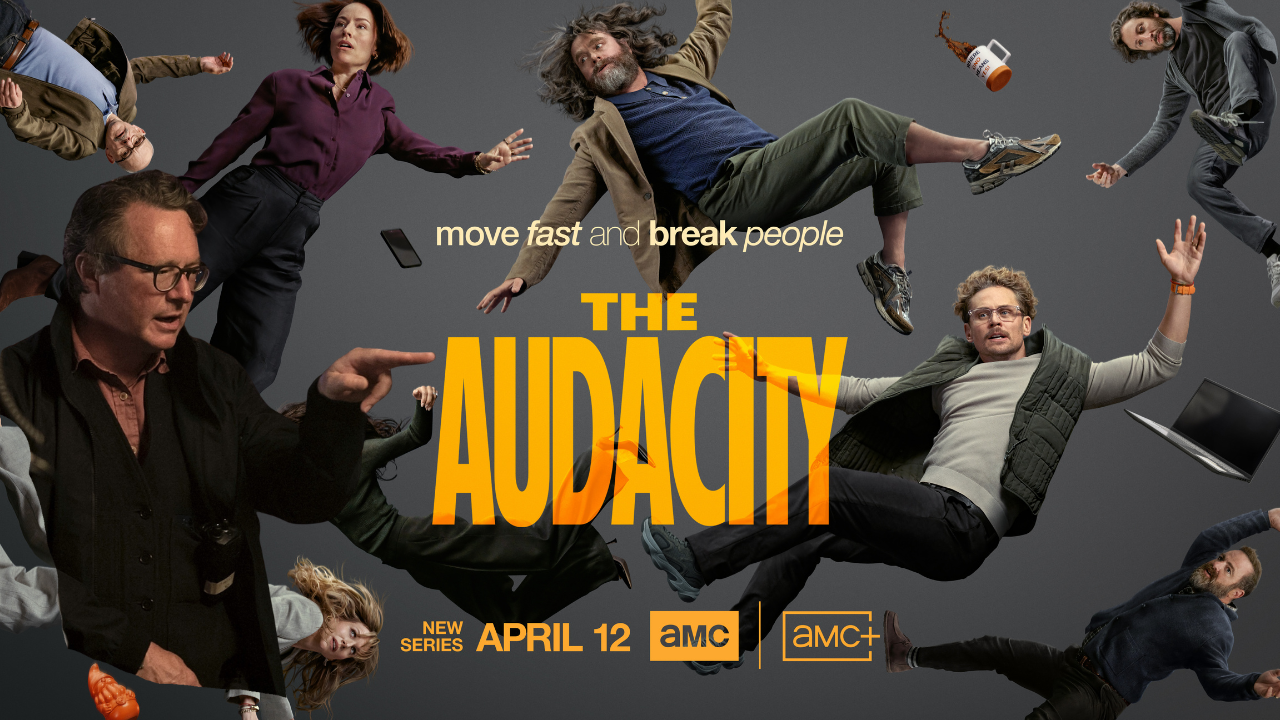
Cinematographer Richard Rutkowski, ASC has spent decades lensing visually distinctive shows such as The Americans, Jack Ryan, and Masters of the Air. His latest project, AMC+’s The Audacity, presented a different kind of challenge: a sharp, character-driven drama about billionaire tech culture. Shot almost entirely in Vancouver, the show needed to feel unmistakably like Palo Alto.
“We worked really hard to get Vancouver out of the frame,” Rutkowski says. The solution was part location strategy, part lighting philosophy. Stages were lit to suggest bright California sun outside and darker interiors within. A few shoot days to get establishing shots in the actual Bay Area helped create the illusion. “Locations helped. Art department helped. And how we lit the stages also reflected this idea that it was bright sun outside.”
One of the season’s most striking visual achievements is the wildfire episode, where smoky, apocalyptic skies creep into an otherwise ordinary day. Rutkowski built the look almost entirely in camera using filters. “A lot of it was done with more simple tools than people would imagine,” he says. The toolkit included antique suede filters, sepia grads, indie grads, and a fire sky grad, combined with gradual LUT adjustments to reduce contrast and lift the blacks. “When you’re in a smoky environment, you see this lifted black all around you,” he says. The effect was designed to escalate slowly, first with a little pink on the horizon, then a heavier sky, then a full-blown hazard. It mirrors the characters’ own reluctance to acknowledge what’s bearing down on them.
Rutkowski’s camera approach is equally thoughtful. He established a handheld language that prioritizes intimacy over energy. “The goal was to be very subjective and move with the performer,” he explains. “The actor and the dialogue should be the motivator for camera, not the other way around.” The audience feels no more than eight to ten feet from the characters, lensing on 35mm and 40mm Arri Signature Primes on the Alexa 35.
That closeness extends to how Rutkowski thinks about composition thematically. A recurring frame-within-a-frame motif isolates characters in windows, doorways, and screens, reflecting the show’s preoccupation with technology and disconnection. In the season’s penultimate episode, spotlights become a dramatic device, falling on the characters Duncan (Billy Magnussen) and Lili (Lucy Punch) at precisely their worst moments. “He’s so happy to have the spotlight trained on him because he really always wanted to have this success visible in public within the community of coders and business people in the valley,” explains Rutkowski. “The spotlight hits him at exactly the wrong moment, exactly when he discovers something so tragic and so hard to deal with. He finds himself in the spotlight, and it’s bitter. It’s not just bittersweet. It’s actually like a joke.”
Rutkowski is already at work on season two. For anyone who hasn’t caught the first, his advice is implicit in everything he describes: the most powerful visual choices are the ones the audience never consciously notices. “I often looked at it as choreography,” he says of his camera work. “Moving with the performer and letting them reveal a room.”
Find Richard Rutkowski: Instagram: @richardrutkowskidp
The Audacity is streaming now on AMC+.
Hear our previous episode with Richard Rutkowski on Masters of the Air.

CAMERA: ARRI ALEXA 35
LENSES: ARRI Signature Primes and Fujinon Premista zooms
Close focus: The indie horror film Obsession has currently grossed over $224 million, which has caused controversy with certain crew members on the film. Art director Sally Choi went public on Instagram with how much she was paid and how, in light of what a huge success the film has become, it seems extremely unfair. Ben is uniquely positioned to weigh in on the controversy.
Ben’s short end: The Instagram page Beverly Hills Content Studio. @beverlyhillscontentstudio
Illya’s short end: Zillr and their new camera cart, the Zipr. You can buy a Zipr camera cart at Hot Rod Cameras.
Sponsored by Hot Rod Cameras
Check out the new Betty Luminous Reflector at Hot Rod Cameras! The Betty Luminous is a full-spectrum light reflector designed to beautifully flatter human skin. Its fresnel-like directionality provides focused illumination while its gentle Gaussian falloff ensures a soft, natural look.
Sponsored by Greentree Creative: If you enjoy The Cinematography Podcast and you’re interested in growing or starting your own podcast, contact Alana Kode at Greentree Creative. Greentree Creative can help you with all of your digital marketing needs including podcast launch and creation, advertising, social media management and content creation.
SHOW RUNDOWN:
02:02 Close focus
22:27-01:11:32 Richard Rutkowski interview
01:11:45 Short ends
01:19:14 Wrap up/Credits
LIKE AND FOLLOW US, send fan mail or suggestions! Rate, review and subscribe on Apple Podcasts!
Email: editor@camnoir.com
Facebook:@cinepod
Instagram: @thecinepod
Threads: @thecinepod
Blue Sky: @thecinepod.bsky.social
Podcast Credits:
Producer: Alana Kode
All web and social media content written by Alana Kode
Host and editor in Chief: Illya Friedman
Instagram: @illyafriedman @hotrodcameras
Host: Ben Rock
Blue Sky: @benrock.com
Instagram: @bejamin_rock
Composer: Kays Al-Atrakchi
Check out Kays’ new YouTube Channel, Kays Labs, where he repairs old synthesizers.
Editor: Alana Kode
Subscribe to the Podcast on Apple Podcasts or click on the link below to listen here
Podcast: Play in new window | Download (Duration: 1:11:12 — 0.2KB)
Subscribe: RSS
